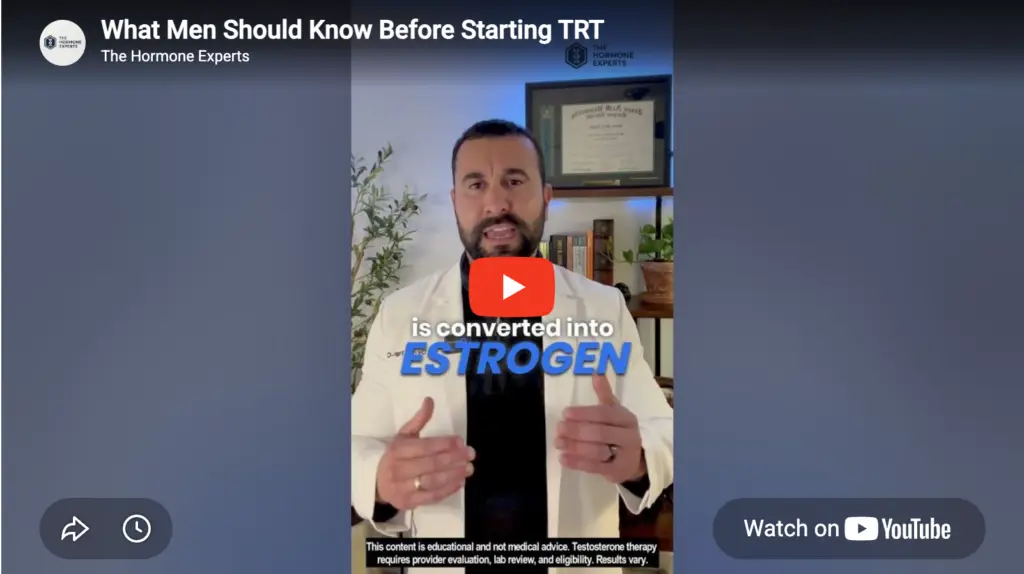
Testosterone therapy should never be one-size-fits-all.
For many men, the signs can be easy to dismiss at first.
You feel more tired than usual.
Your workouts do not feel the same.
Your focus is not as sharp.
Your motivation, mood, or sex drive may feel different.
You may still be “functioning,” but something feels off.
A lot of men are told this is just stressTestosterone therapy should start with labs, not guesswork.
Many men know the feeling.
You wake up tired.
Your workouts feel harder.
Your focus slips.
Your motivation changes.
Your sex drive may not feel the same.
At first, you may blame stress, work, poor sleep, or age. Sometimes, those things do play a role. However, ongoing symptoms can also point to hormone changes, including low testosterone.
That does not mean every man needs testosterone therapy. Instead, it means your symptoms deserve a closer look.
At The Hormone Experts, we believe better care starts with listening, lab work, and a full medical evaluation. Testosterone replacement therapy, often called TRT, may help some men who qualify. However, a licensed provider should guide the process from the beginning.
TRT should never feel rushed. It should never follow a one-size-fits-all plan. Most importantly, it should include proper testing and ongoing monitoring.
What Is Testosterone Cypionate?
Testosterone cypionate is a prescription form of testosterone. Providers may use it as part of TRT for men with clinically low testosterone.
This medication is usually given by injection. It releases testosterone gradually over time. Because of this, many providers use it in structured treatment plans when it is medically appropriate.
However, the medication is only one part of care.
The bigger question is not simply, “Can testosterone levels increase?”
The better question is:
Is TRT appropriate for this patient?
To answer that, a provider needs to review symptoms, lab work, medical history, and health goals. This step matters because TRT is a medical treatment, not a wellness shortcut.
Why Symptoms Matter
Low testosterone can show up in different ways. Some men notice physical changes. Others notice changes in mood, focus, or motivation.
Common symptoms may include:
- Low energy
- Fatigue
- Reduced libido
- Brain fog
- Mood changes
- Lower motivation
- Slower workout recovery
- Difficulty maintaining muscle
- Changes in body fat or metabolism
However, symptoms alone do not confirm low testosterone.
For example, fatigue can come from poor sleep, stress, thyroid issues, low vitamin levels, medications, or other health conditions. Brain fog can also have many causes. Because of this, lab testing is essential.
A safe TRT evaluation should look at the full picture. It should not rely on one symptom or one lab number.
Why Lab Work Matters Before TRT
Lab work helps your provider understand what is happening inside your body. It also helps determine whether TRT may be appropriate.
A hormone evaluation may include:
- Total testosterone
- Free testosterone
- Estradiol
- Sex hormone-binding globulin, also called SHBG
- LH and FSH
- DHEA-S
- Complete blood count
- Hematocrit
- Metabolic health markers
- Additional labs based on symptoms and history
Total testosterone matters, but it does not tell the whole story. Free testosterone can show how much testosterone is available for your body to use. Other markers can help your provider understand how your hormones work together.
As a result, two men can have similar testosterone numbers but very different treatment needs.
That is why TRT should be personalized.
“Normal” Does Not Always Tell the Whole Story
Many men feel frustrated when they hear that their testosterone is “normal,” even though they still feel off.
Reference ranges can help providers interpret labs. However, they do not always explain how a patient feels. A number may fall inside a broad range while symptoms still continue.
That does not automatically mean TRT is the answer. Still, it does mean your symptoms should be taken seriously.
A qualified provider should review both your labs and your experience. Then, they can decide whether more testing, lifestyle changes, or medical treatment may be appropriate.
The goal is not to chase a number. The goal is to understand the full clinical picture.
TRT Dosing Should Be Personalized
TRT dosing should come from a licensed medical provider. It should depend on your lab results, symptoms, health history, and response to treatment.
Your provider may consider:
- Baseline hormone levels
- Current symptoms
- Body composition
- Treatment response
- Side effects
- Hematocrit levels
- Estradiol levels
- Fertility goals
- Blood pressure
- Metabolic health
- Other medical conditions
Because each patient is different, TRT should not follow the same plan for everyone.
In addition, follow-up care matters. A provider should review your labs, track your symptoms, and adjust the plan when needed.
Good TRT care does not stop after the first prescription. It continues over time.
Why Ongoing Monitoring Is Important
TRT can affect more than testosterone levels. Therefore, regular monitoring is important.
Your provider may monitor changes in:
- Testosterone levels
- Estradiol
- Hematocrit
- Blood pressure
- Mood
- Skin changes
- Sleep concerns
- Fertility considerations
- Prostate-related factors when appropriate
Monitoring helps your provider see how your body responds. It can also help reduce the risk of unwanted effects.
For this reason, men should avoid self-directed TRT or treatment from sources that do not offer proper follow-up.
Safe hormone care requires medical oversight.
TRT Is Not Only About Testosterone
Testosterone does not work alone. It interacts with other hormones and systems in the body.
For example, estradiol is often misunderstood. Men need some estrogen too. The goal is not always to block it. Instead, the goal is to monitor it and keep it in an appropriate range when needed.
Other markers, such as SHBG, LH, FSH, DHEA-S, and hematocrit, can also provide important information.
Together, these labs help your provider understand whether your current plan makes sense.
This is where precision matters.
TRT should support a broader clinical strategy. It should not rely on a generic protocol.
Why Patient Experience Matters
Labs are important. However, your experience matters too.
You should feel heard. You should be able to ask questions. You should understand what your labs mean and why your provider recommends a certain plan.
At The Hormone Experts, we focus on evidence-based care, provider guidance, and individualized treatment planning.
We do not believe men should be dismissed when they say something feels off. At the same time, we do not believe TRT should be prescribed casually.
The right approach is balanced.
Listen carefully.
Test properly.
Treat only when appropriate.
Monitor consistently.
Adjust responsibly.
When Should Men Consider a Hormone Evaluation?
You may want to consider a hormone evaluation if you have ongoing symptoms such as:
- Low energy
- Brain fog
- Reduced libido
- Mood changes
- Lower motivation
- Difficulty building or maintaining muscle
- Slower recovery
- Changes in body composition
- Feeling unlike yourself
These symptoms do not automatically mean you need TRT. However, they may be signs that your body needs a closer look.
A hormone evaluation can help you better understand what may be contributing to how you feel.
The Hormone Experts Approach
The Hormone Experts is a Texas-based virtual clinic focused on hormone optimization and medical weight management.
Our care model starts with education, evaluation, and provider guidance. We review symptoms, labs, health history, and patient goals before making treatment decisions.
For men considering TRT, we focus on safe, individualized care.
We do not believe in guessing. We believe in looking deeper.
Final Takeaway
TRT may help some men who qualify, but it should never be rushed.
Before starting testosterone therapy, men should understand a few key points:
- Symptoms matter.
- Lab work is essential.
- Total testosterone is only part of the picture.
- Free testosterone and other markers may also matter.
- Treatment should be individualized.
- Ongoing monitoring is important.
- Results vary.
- Provider guidance is required.
If you feel tired, unfocused, or not like yourself, start with answers.
See If You Qualify
Ready to better understand your hormone health?
Visit hormoneexpertsclinic.com to learn more and start your intake.
This article is for educational purposes only and does not provide medical advice, diagnosis, or treatment. Testosterone therapy requires medical evaluation, lab review, eligibility determination, and provider approval. Individual results vary.